Please share
Affordable SEO for small business: 9 ways to make your website easier to find
If you’ve ever wondered why your site isn’t showing up in searches, you’re not alone. Many small business owners look for website SEO options that actually work — strategies that make their website visible without breaking the bank.
What SEO for small business really looks like
SEO is simply the process of helping your content appear in search results. Achieving good SEO starts with an understanding of what your readers are searching for, using the same words and phrases they’d type into Google or other search engines, and structuring your website so that search algorithms can easily recognize it as a good match.
Here’s how to make sure your site is easy to discover, engaging to read, and ready for the modern search world (including AI).
1. Start with user intent, not just keyword research
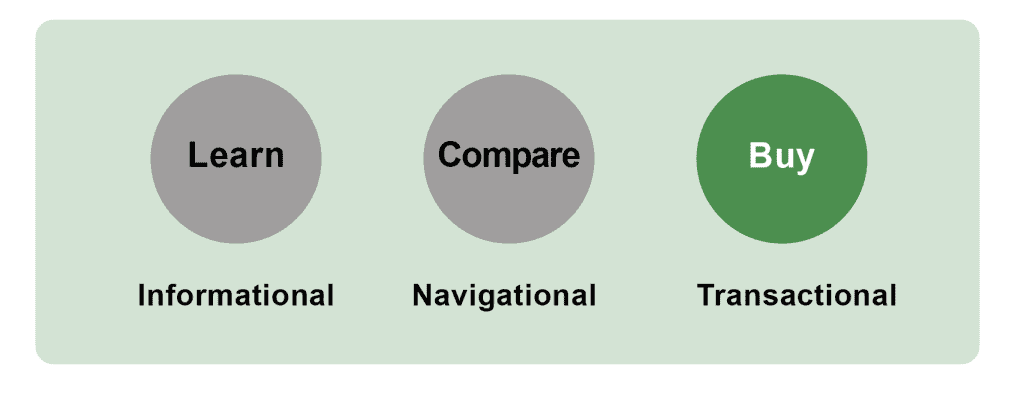
Before worrying about keywords or traffic volume, think about your audience. What are they looking for when they’re searching for your site? Are they trying to learn something, compare options, or are they ready to buy?
So before you start writing, think about why someone might search for your topic. This is called user intent — the goal behind their search. Are they looking for quick answers? A how-to guide? A product recommendation?
Keywords are the actual words and phrases people type into search boxes. For example, someone might search for “how to start a blog”, “best blog platforms,” or “how to write a blog post that sells”. Each of those phrases reveals something different about their intent.
When you understand that intent, you can tailor your site and its content to answer their question completely — not just sprinkle in a keyword and hope for clicks.
What about keyword tools?
Keyword tools help you discover what people are searching for and how often. They’re great for strategy, but you don’t have to buy and learn to use them all. There are reasonably priced tools, such as KeySearch ($17/ month), and Google Search Console, which is free.
A small business SEO services partner (such as Spine & Leaf Media) can help you with finding appropriate keywords. You can certainly lose a lot of time doing it for yourself and, in my experience, time is at a premium for small business people. A pro can handle it for you, saving you time while keeping your content aligned with real search demand.
2. Craft your titles to connect and clarify
They say that you don’t get a second chance to make a first impression.
In search results, your page titles are making the first impression. They’re the first thing people see in search listings and often they’re the reason visitors click (or don’t). Think of them as your online storefront sign: they should make it clear what you offer and why it’s worth stopping for.
You don’t need to shout or exaggerate — just speak directly to your audience. A strong title is clear, relevant, and built around the words you’ve determined that people are actually searching for.

Specific beats generic — a clear, keyword-focused title tells readers and search engines what you’re talking about and what you offer.
If you’re unsure which phrases your audience uses, that’s where professional SEO support comes in. The right title isn’t just guesswork — it’s part of a bigger strategy to help your business get found.
3. Use the proper heading structure to keep readers and search engines happy

A good title gets them in the door. But what keeps them from walking right back out?
Well, let’s start with a clean, well-organized page with good headings and sub-headings that’s easy to follow.
Breaking your content into sections isn’t just about looks; it’s about structure that makes sense.
Headings and sub-headings (H1s, H2s, H3s) guide readers through your ideas and also help Google and other search engines understand what your topic is about.
4. Keep it mobile-friendly and fast
Of course, great structure only matters if visitors can actually use it. And these days, that means it needs to work well on mobile devices as well as on desktops. Right now, more than 60 percent of readers coming to my sites are using a mobile device.
Your site needs to look good, work smoothly, and load fast no matter what someone’s using to view it. Choose a clean, responsive theme (responsive = fast on mobile), compress your images, and use caching to keep things snappy.
Even the best content can lose its audience if your site makes them wait.
5. Link with purpose
OK, now your site is being found, it’s enticing people to click and read, and they are quickly understanding what it’s all about.
But then… it’s one and done. They read a single page and disappear. Not ideal for you — or your business.
The goal is to keep visitors engaged, and one of the easiest ways to do that is to give them something else to view that piques their interest.
So providing links to other parts of your site is important: internal links keep visitors exploring your site, and outbound links to credible sources give you authority AND show Google that you’re part of a healthy web ecosystem.
6. Optimize your visuals
Strong links build trust. Strong visuals build connections. So let’s talk about how your site’s images can work harder for you.
Website real estate is precious and every image should serve a purpose — whether it helps understanding, illustrates a point, or simply breaks up the text.
Keep in mind that including large visuals can have an impact on your site speed, which is a key factor that search engines use to determine your ranking in search results. Big visuals can be powerful, but big files can slow your site down.
The goal is balance:
- the right web-friendly image format,
- the right size and resolution for fast loading,
- descriptive filenames (like web-design-tips.jpg),
- alt text, to help search engines understand what your images show and make your site more accessible for people using screen readers.
7. Keep your SEO fresh with regular website updates

Everything in business requires maintenance to keep working as intended. Your website isn’t any different. So what does “maintenance” actually mean for a website?
Revisit older pages once in a while to refresh facts, fix links, and polish your wording. It shows Google that your site is alive and gives visitors a better experience.
How often should you add new content?
There’s no strict schedule, but activity matters. Updating or adding something once a month keeps your site relevant. It doesn’t have to be a full blog — short updates, new testimonials, or fresh photos can signal that your business is active.
Do you need a blog?
Not necessarily. Blogs are great for sharing insights and improving SEO, but they’re not the only way. Product updates, service announcements, or a short “What’s New” section can work just as well if it’s current and useful.
What about eCommerce sites?
For online shops, “new content” often means new or improved product pages: updated descriptions, better photos, or new collections. Search engines notice those updates, too.
Can I just update existing pages?
Absolutely. Sometimes refreshing what’s already there — clarifying a service, adding recent work, or improving readability — is more effective than creating something new. But just be careful when you have something already ranking highly on Google — you don’t want to sabotage your stellar ranking by changing it too much.
Other key maintenance tasks
- Keep your software, themes, and plugins up to date to prevent security issues,
- Make sure your hosting plan and domain registration don’t lapse,
- Back up your site regularly (many hosts can automate this),
- Test your forms and links once in a while — a broken contact form can cost real leads.
Like any good business tool, your website works best when it’s kept in shape. A few hours of care every month can save you headaches later — and keep your site performing like new.
8. The impact of AI
Six months ago, I’d have said that search is evolving fast, and it did. Now AI’s role in content search is just part of the landscape.
AI overviews have upended the long-held search experience. AI-generated answers at the top of the results sometimes mean searchers don’t even click on the link to proceed to the website.
Now, the question is how to make sure you’re still being found in a world where AI is reshaping search results.
It means that traditional SEO methodology alone isn’t enough anymore. The good news is that it’s not overly complex to give AI what it needs to find and use your content.
- Answer questions clearly and concisely. AI models pull information from content that reads like a direct, authoritative response.
- Use structured headings and summaries. Organized information is easier for AI to parse and quote.
- Build topical authority. When multiple articles on your site cover related subjects, AI systems are more likely to treat your site as a trusted source.
- Keep your voice human. Algorithms may surface data, but people still follow personalities. Original insight and tone give you an edge that AI can’t replicate.
AI-driven search is still built on strong fundamentals: clear writing, accurate facts, and meaningful answers. But it rewards content creators who stay adaptable.
9. Promote your posts like they’re worth it (because they are)
Publishing is step one. Share your content on social platforms, in your newsletter, and anywhere your audience hangs out. Social visibility may not directly affect rankings, but it is one way to help drive engagement — and that matters.
Final thoughts: SEO for small business
Good SEO for small business isn’t about tricks or quick fixes. It’s about using the right strategies, structure, and care to make your website easy to find and rewarding to visit.
But here’s the thing: doing it well takes skill and time. Most small business owners already have a full plate, and every hour spent trying to decode search algorithms is an hour not spent doing what they do best.
That’s where Spine & Leaf Media comes in. I help businesses like yours build and maintain websites that attract the right audience and grow over time. You don’t have to manage all the technical details alone — you just need a site that works so you can focus on running your business.
Businesses like Oceanside Auto Appraisers have seen how consistent, strategic small business SEO services turn a website into a steady source of leads. If you’d like the same results, let’s talk about what’s possible for your business.
If you need content or creative support that helps people find and trust your business, contact me and let’s start a conversation.